
Innovation, Sustainability, and Market Opportunities Polyester blankets have long been favored for their durability, easy care, and affordability. As global consumer preferences shift and new technologies emerge, the polyester blanket industry is undergoing significant transformation. Below are the key trends shaping its future:
1. Advanced Fiber & Yarn Technologies
Modern polyester blankets are benefiting from high-performance fiber innovations:
- Micro-polyester and hollow-core fibers for lighter weight and enhanced warmth retention
- Cross-dyed and gradient yarn techniques creating richer textures and visual appeal
- Anti-pilling and anti-static treatments to maintain appearance and comfort over time
These improvements boost both tactile quality and longevity, making polyester blankets competitive with natural fiber alternatives.
2. Sustainability & Recycled Materials
Environmental concerns are driving the industry toward greener production:
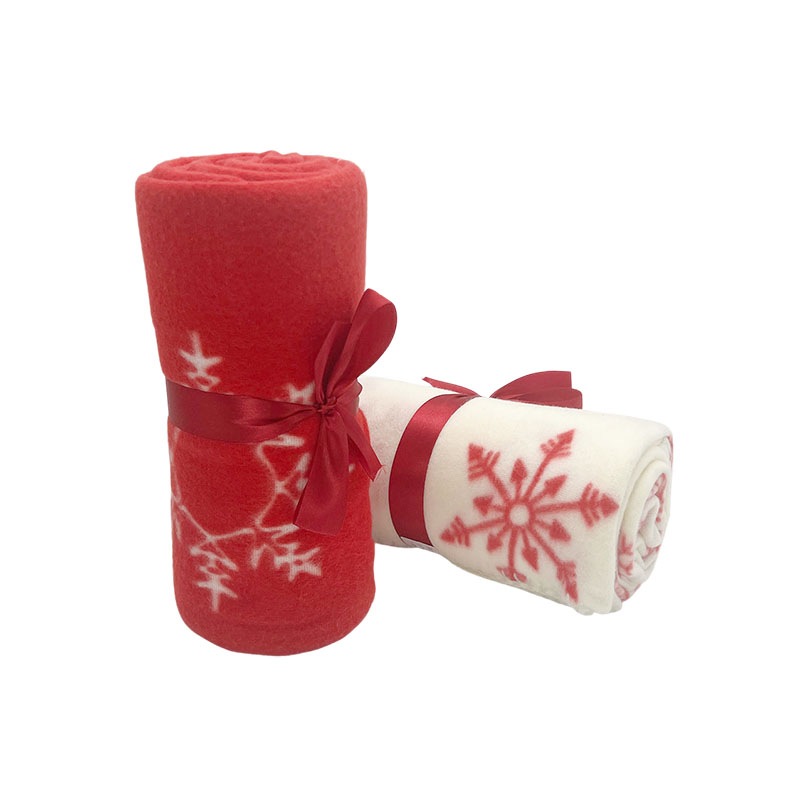
- Use of recycled PET bottles as raw material, reducing reliance on virgin polyester
- Development of bi-component fibers that blend recycled polyester with bio-based polymers
- Adoption of closed-loop manufacturing to cut water and energy consumption
Certifications such as Global Recycled Standard (GRS) or OEKO-TEX® will become important selling points for eco-conscious markets.
3. Lightweight & Versatile Designs
Consumers increasingly seek multi-functional textiles. Future polyester blankets will emphasize:
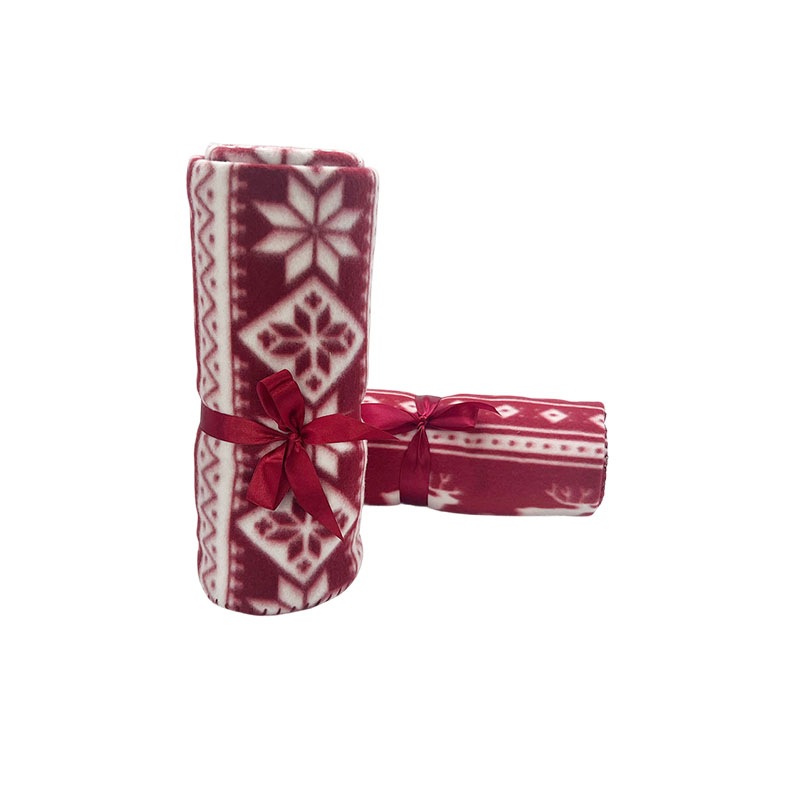
- Ultra-light thermal insulation for travel, outdoor activities, and mild climates
- Compact, packable designs ideal for camping, hospitality, and promotional use
- Reversible patterns and two-in-one functionality (e.g., blanket + throw pillow cover)
Versatility expands potential applications beyond traditional home use.
4. Smart & Functional Features
Technology integration is entering the textile space:
- Temperature-regulating fabrics using phase-change materials (PCM) to maintain comfortable warmth
- Antimicrobial and odor-resistant treatments for hygiene-sensitive environments (hospitals, hotels, nurseries)
- UV-resistant finishes for outdoor use and prolonged color retention
These features add value for both B2C and B2B customers.
5. Enhanced Aesthetics & Customization
Visual appeal drives purchase decisions. Trends include:
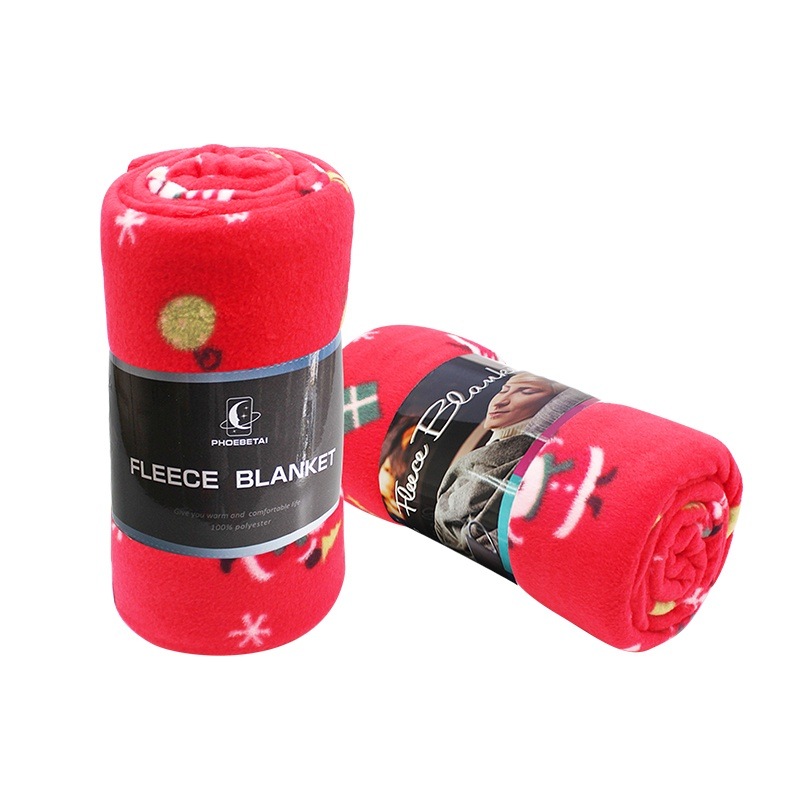
- Digital printing enabling intricate, photorealistic designs and seasonal collections
- Custom sizes, colors, and logo embroidery/printing for promotional, corporate, and retail branding
- Textured weaves (e.g., velour, sherpa, jacquard) that mimic premium natural materials
Personalization helps brands stand out in competitive markets.
6. Durability & Easy Maintenance
Polyester’s reputation for easy care continues to evolve:
- Improved resistance to shrinkage, fading, and deformation after repeated washing
- Stain-resistant and water-repellent coatings for practicality in homes with children or pets
- Machine-washable, quick-dry properties suited to fast-paced lifestyles
Longer product life cycles reduce waste and increase customer satisfaction.

7. Global Market & Application Expansion
Beyond residential use, polyester blankets are gaining traction in:
- Hospitality & healthcare (durable, hygienic, easy-laundry solutions)
- Automotive & travel (compact, lightweight options for car interiors and airlines)
- Promotional & gift markets (branded blankets as corporate gifts or event giveaways)
Expanding into diverse sectors creates new revenue streams for manufacturers and exporters.
Conclusion: Strategic Outlook
The future of polyester blanket products lies in combining technical performance with sustainability and design flexibility. By investing in recycled materials, smart features, and customization capabilities, manufacturers can meet evolving consumer demands while strengthening their position in global markets.
